Local coverage

Central London

Period conversions, mansion blocks, and listed buildings across the heart of the capital.

Central London
Barking &DagenhamBarnetBexleyBrentBromleyCamdenCityCroydonEalingEnfieldGreenwichHackneyH&FHaringeyHarrowHaveringHillingdonHounslowIslingtonK&CKingstonLambethLewishamMertonNewhamRedbridgeRichmondSouthwarkSuttonTowerHamletsWalthamForestWandsworthWestminster

About the area

Who we serve in Central London

Central London covers the six boroughs at the core of the capital: Westminster, the City of London, Camden, Islington, Kensington & Chelsea, and Southwark. The housing stock here is among the oldest and most complex in the country, with a high proportion of listed buildings, mansion blocks, and period conversions where maintenance obligations and lease structures matter as much as physical condition.

Boroughs covered

  • Westminster
  • City of London
  • Camden
  • Islington
  • Kensington & Chelsea
  • Southwark

Postcodes

W1 · W2 · W8 · WC1 · WC2 · SW1 · SW3 · SW5 · SW7 · SW10 · NW1 · NW3 · NW8 · N1 · N7 · EC1 · EC2 · EC3 · EC4 · SE1 · SE11

Housing stock

What to expect

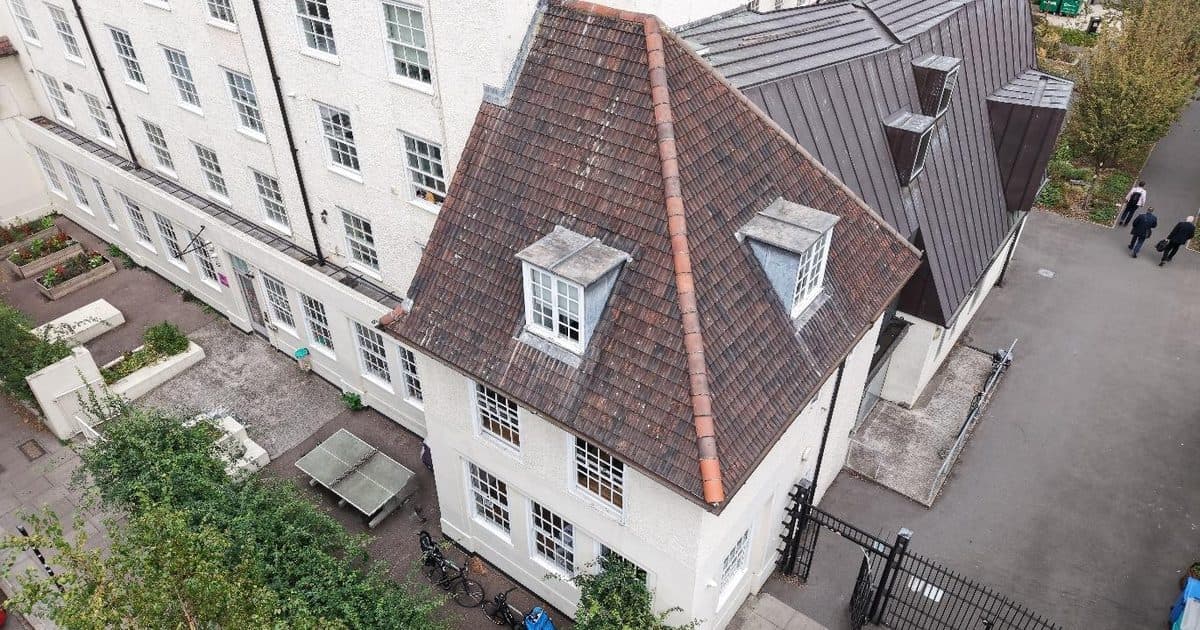
Georgian and Victorian terraces, mansion blocks (particularly in Kensington and Marylebone), purpose-built flats, converted Edwardian houses, and an increasing number of high-specification new-build developments. Significant listed building concentration across conservation areas including Belgravia, Bloomsbury, Barnsbury, and Primrose Hill.

Market context

Current market

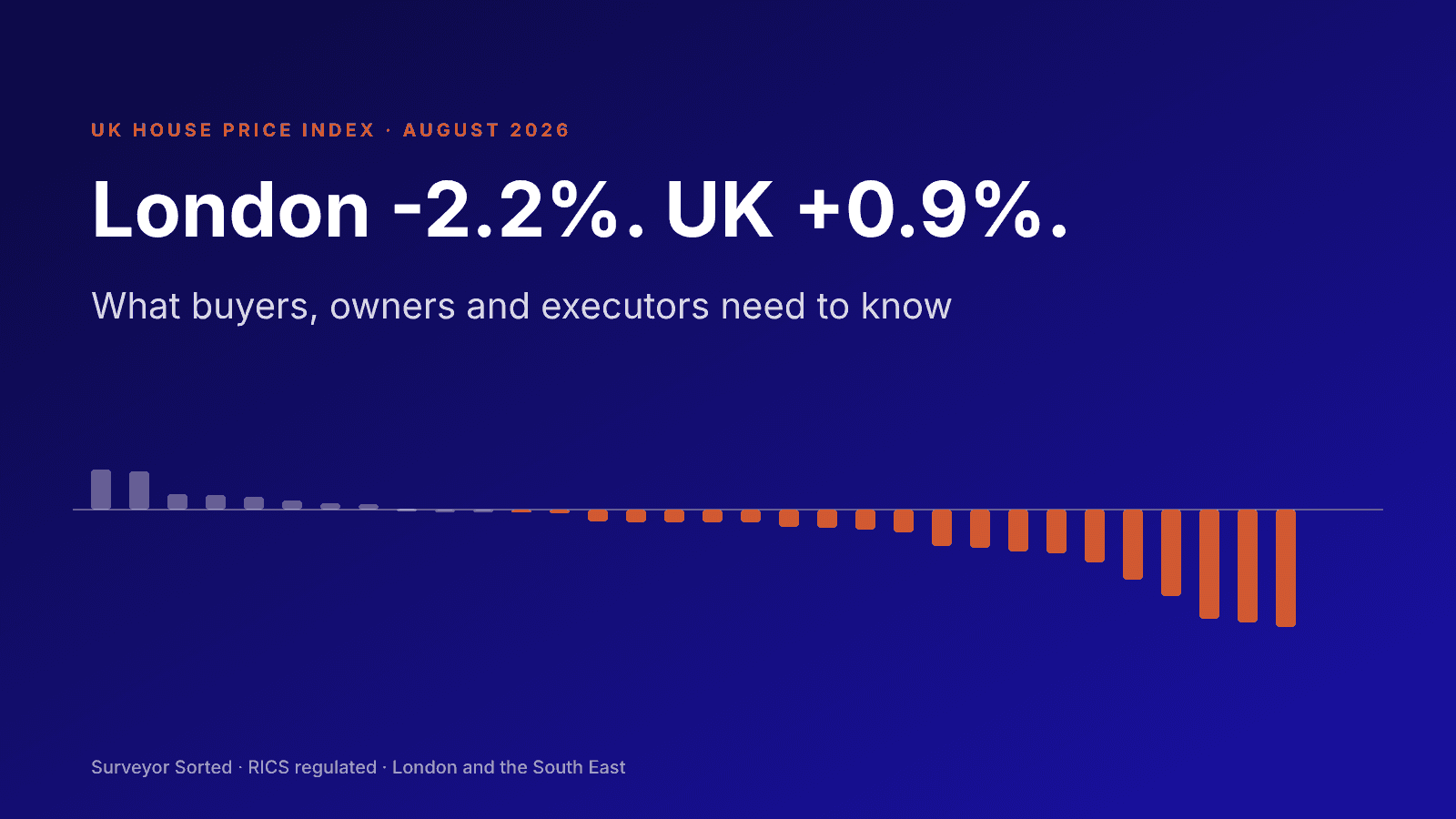
Prime central London values have been flat to slightly negative over the last 18 months, with prime new-build outperforming period stock. Rental yields remain tight. Leasehold structures dominate, making title review and lease terms critical. Short leases and expensive ground rents are a recurring concern for buyers.

Market data

Central London in 2026

The central London market remains the most lease-driven and value-stratified area we cover. Activity is dominated by leasehold flats, mansion-block apartments, and period conversions, where lease length, ground rent, and service-charge structure often matter more to value than physical condition. Prime values have been softening: Kensington and Chelsea, the capital's most expensive borough, averaged around £1.27 million in early 2026, down roughly 8% on the year, while Westminster sat near £815,000. Islington, at the area's eastern edge, held steady at around £679,000. Flats have borne most of the decline, so buyers of converted and purpose-built apartments have unusual negotiating room, but should scrutinise lease terms closely. (Figures from HM Land Registry and ONS data, early 2026.)

What we often find

Common findings in Central London

01

Complex lease terms, short leases requiring extension, and onerous service charges

02

Listed building status restricting alterations and affecting reinstatement values

03

Historic movement and settlement in Georgian/Victorian stock

04

Hidden damp issues in basement flats, particularly in converted terraces

05

Fire safety and cladding concerns in post-war and modern blocks

Neighbourhoods

Areas we regularly work in

MayfairBelgraviaMaryleboneFitzroviaBloomsburyHolbornCovent GardenSohoNotting HillChelseaSouth KensingtonEarl's CourtCamden TownPrimrose HillKing's CrossAngelBarnsburyClerkenwellFarringdonSouthwarkBoroughWaterloo

Buying, selling, or managing in Central London?

Get a free, no-obligation quote for your survey. Same-day response, transparent pricing, and a report delivered within 3 to 5 working days of the inspection.